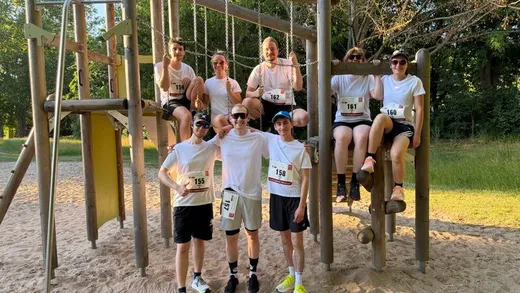
🏃🏃♀️ Dynamic in software development. Dynamic on the running track. Writing code, moving projects forward, clocking up kilometers. Yesterday we swapped the keyboard for running shoes and showed at the WVV company run, hosted by Würzburger Versorgungs- und Verkehrs-GmbH, what we can do outside the digital world too. Thanks to everyone who took part — on the course or along it. #GoTeam
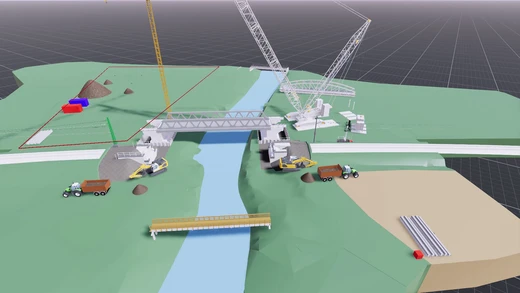
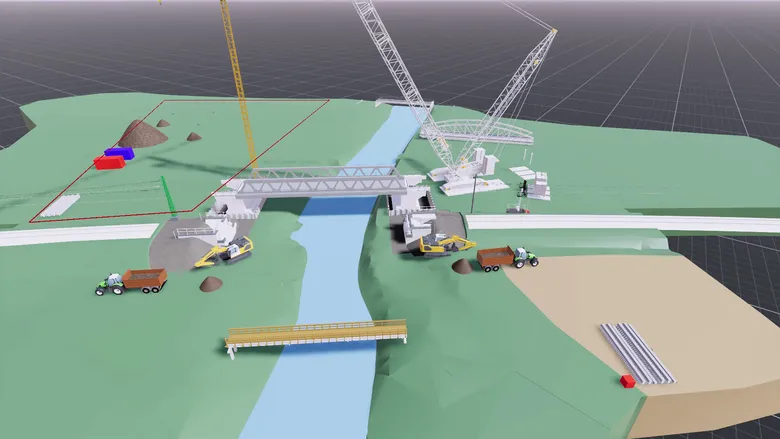
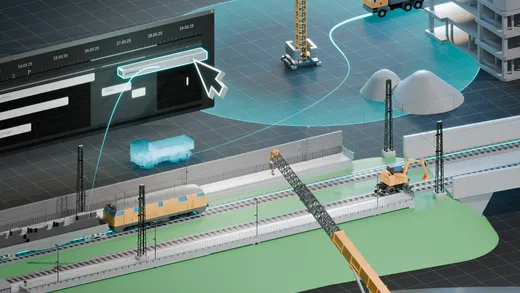
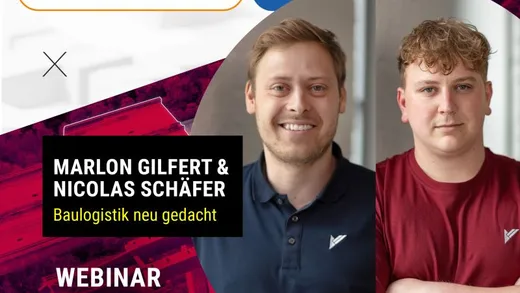
How sound are decisions in construction logistics when conditions change daily? Supply chains, available space, material flows, construction processes … even small changes can have a big effect on schedules, costs and resources. Instead of making assumptions and waiting for the outcome, different scenarios can be run through in advance and well-founded decisions taken. How? With simulation. On 16 June, Marlon Gilfert and Nico Schäfer will share practical insights at the virtual LOGISTIK HEUTE forum “Construction logistics for the future: fast, digital, reliable”. Under the title “Construction logistics rethought” they use concrete use cases to show: ✔️ how simulation is used as a basis for decisions, ✔️ how planning certainty can be increased and ✔️ how construction logistics processes can be made more efficient and more reliable. Drop by 👇 We look forward to the exchange.
What happens when a growing company does not want to lose the connection between its teams? Every four months there is one date at BII GmbH that everyone wants to be at: our town hall. Not a stiff appointment but a genuine coming together, and taking the time deliberately. Colleagues from our different locations meet, exchange notes, ask questions and — above all — understand what we are working on together. Transparency is not a buzzword for us. We share openly which projects are coming up, where we want to go and what challenges lie ahead. That is exactly what builds trust and keeps us closely connected even as a large team. The photos give a small glimpse of that exchange 👇
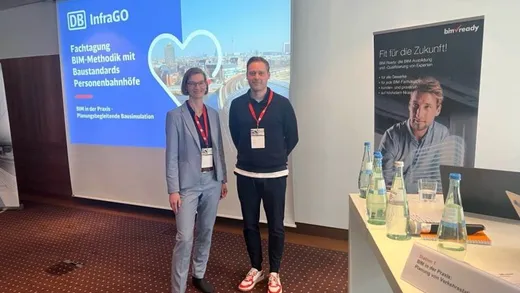
BIM is standard, but are our processes really there yet? We have the methods and the tools, but we are still struggling with the processes in between. Two days at the DB Personenbahnhöfe conference in Berlin brought that insight up in almost every talk. The discussion around the base model was particularly interesting: incomplete as-built data, contradictory information and missing attributes mean reality rarely looks like textbook BIM. Yet this is exactly where it is decided whether projects work or stall. Simulation is called for, but the groundwork for it is often missing. Looking at how intensively topics such as construction simulation (12-week corridors, for instance) are now being discussed, it is clear where things are heading: away from static plans, toward dynamic, robust bases for decisions. In formats like this conference we mostly see a reality check. Not what is theoretically possible, but where we actually stand. We are curious 💬 How are you experiencing everyday BIM in projects right now?
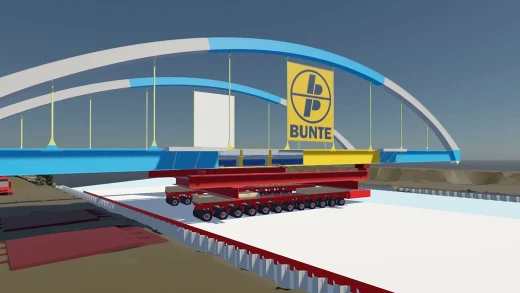
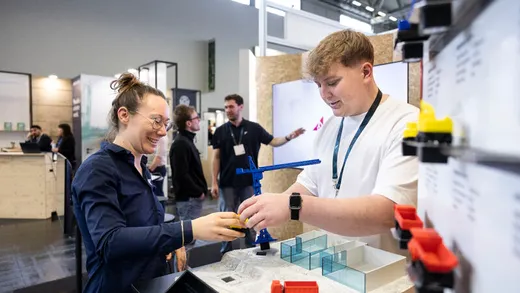
Next week DigitalBAU opens its doors and asks a central question: how do we finally make construction planning predictable? The fair is one of the most important platforms for digital solutions along the whole construction process chain, bringing together software vendors, planners and contractors. We are there with #dProB showing exactly that: how complex construction processes can be turned into comprehensible, simulated processes. 👉 Live at the stand you can experience how planning becomes a sound basis for decisions. 👉 And if you like, we will go straight into your project and think it through together. 📍 Come by and try it yourself: hall 8, stand 355. And a small teaser: we have prepared something else. During the fair we will reveal more about a small event at one of our partners. #staytuned #digitalBAU
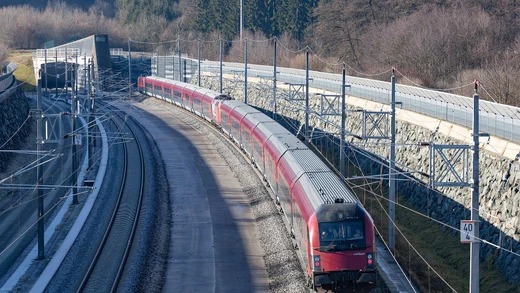
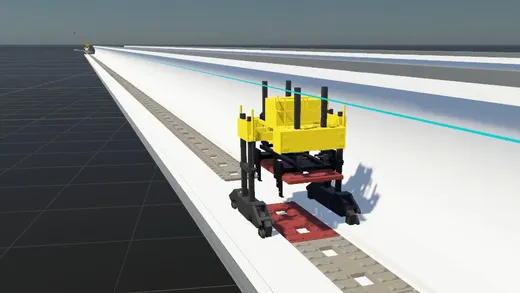
On tunnel projects in particular, complex construction phases, tight time windows and live rail operations all come together. Robust, simulation-supported process planning is a decisive factor for quality and safety here. With #dProB we create the basis to model construction processes realistically, test variants early and make their effects transparent — before they become a challenge on site. In combination with BIM and operational systems, this creates an end-to-end planning and control loop. Many thanks to the Rhomberg Sersa Rail Group for the insights into your digital tools in tunneling. We are glad to be part of this digital toolset and to make demanding tunnel projects more efficient and more predictable together. 🚇